The Silo Series · SS S1.03
The Cost of Being Un-Bankable
Developers, Banks and the Governance Discount
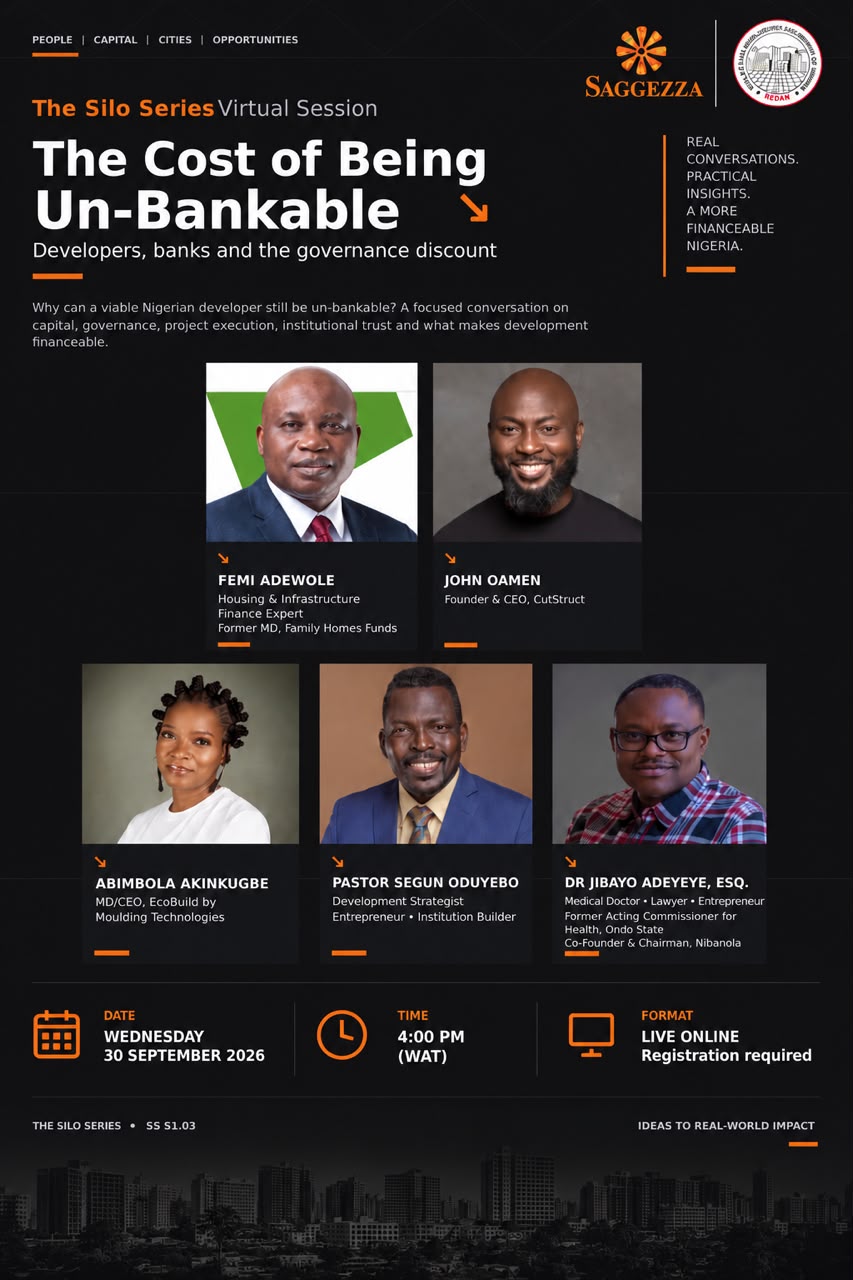
The central question
Why can a viable Nigerian developer still be un-bankable?
A real-estate project can look profitable and still fail to get funding. This conversation asks why that happens, what banks and other capital providers need to see, what developers often miss, and what could make good projects easier to finance.
What do we mean by un-bankable?
Un-bankable is not the same as unprofitable.
In this conversation, we use ‘un-bankable’ to describe a developer or project that may make commercial sense but still does not give a bank or investor enough confidence, evidence or structure to provide funding on acceptable terms.
What is the governance discount?
In this conversation, the governance discount is the extra doubt a funder may place on a business when its records, controls, ownership, decision-making or reporting are weak or unclear. A good opportunity can therefore look riskier than it really is.
Why this conversation
What is the problem? Many developers need outside money to build. But lenders need proof that the project, the company and the people behind it can repay that money.
Why can it happen? A developer may have good land and a promising project but still have weak records, unclear approvals, poor cost information, limited governance or little evidence that buyers will pay.
What are we trying to understand? Which problems matter most, which ones developers can fix, and what banks and other capital providers need before they can confidently fund a project.
These are questions for examination, not predetermined findings or an assignment of fault.
People in this room
Five perspectives. One question.
Five people will look at the same problem from different sides: housing finance, construction and procurement, development, institution building, public policy and business. The goal is not for everyone to agree. It is to understand what each side sees that the others may miss.
 01
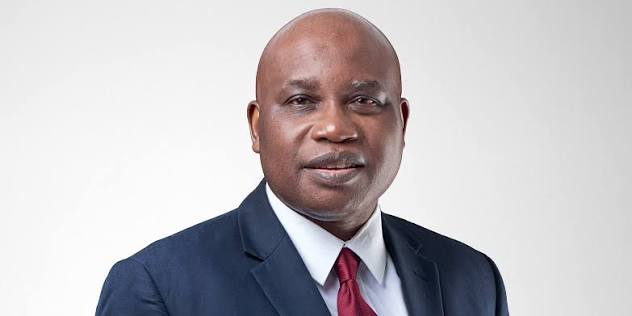
Femi Adewole
Housing & Infrastructure Finance Expert; Former MD, Family Homes Funds
A housing-finance practitioner whose work has connected developers, public programmes and institutional capital across Nigeria, Africa and the United Kingdom.
View speaker profile
 02
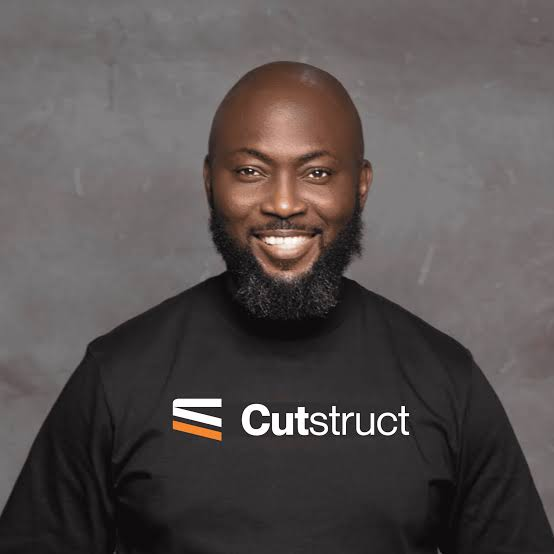
John Oamen
Founder & CEO, CutStruct
A construction-technology founder working on the procurement visibility, cost control and delivery evidence behind more credible projects.
View speaker profile
 03
Abimbola Akinkugbe
MD/CEO, EcoBuild by Moulding Technologies
An architecture-trained manufacturing executive working where materials, building systems, project economics and housing delivery meet.
View speaker profile
 04
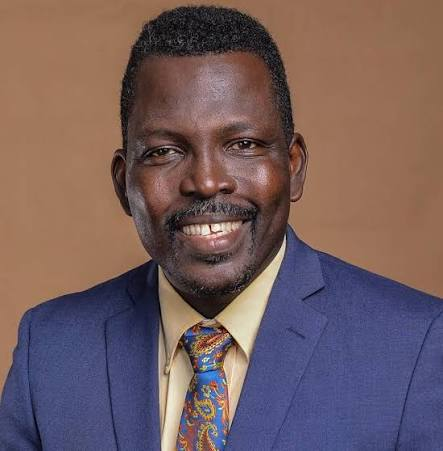
Pastor Segun Oduyebo
Development Strategist, Entrepreneur, Institution Builder
A development and human-capital practitioner whose work centres on leadership formation and building durable, mission-led institutions.
View speaker profile
 05
Dr Jibayo Adeyeye, Esq.
Medical Doctor, Lawyer, Entrepreneur, Former Acting Commissioner for Health, Ondo State; Co-Founder & Chairman, Nibanola
A doctor, lawyer, public servant and entrepreneur with experience building institutions across government and asset-based enterprise.
View speaker profile
Questions in the room
What the room will examine.
These are discussion themes, not conclusions. The conversation is open to different experiences and readings of the problem.
- 01What does ‘bankable’ mean?
- 02Commercial viability vs institutional financeability
- 03Why capital says no
- 04Governance discount
- 05Cost of informality
- 06Information and evidence required
- 07Cost and execution certainty
- 08The capital-provider side
- 09Transition from founder-led company to institution
- 10What needs to change tomorrow to make credible developers financeable
Quick answers
SS S1.03 at a glance.
- What is this about?
- Why viable Nigerian developers and promising projects can still struggle to get funding.
- What does un-bankable mean?
- A developer or project may make commercial sense but still lack enough evidence or structure for a funder to provide money on acceptable terms.
- Who is it for?
- People interested in development, housing, finance, construction, governance and business.
- When is it?
- 30 September 2026 at 4:00 PM WAT, live online.
- Who is speaking?
- Femi Adewole, John Oamen, Abimbola Akinkugbe, Pastor Segun Oduyebo, Dr Jibayo Adeyeye, Esq..
- How do I join?
- Register on this site. Registered participants receive the Zoom link by email on event day. While the conversation is live, the join details also appear at the top of this page.
How the room works
A conversation, not a sequence of speeches.
Conversational
A focused exchange between different perspectives in the room.
No formal presentations
The question leads; slides do not.
No prepared speeches
Participants respond to what they hear and what they know.
Respectful disagreement
Different readings of the problem are welcome.
No Pitch Covenant
The room is for inquiry and exchange, not selling.
Join this conversation
What are you seeing?
Registration helps us understand who is in the room, what participants experience, where financing discussions break down and what they want the panel to answer. It is audience intelligence for this conversation, not statistically representative research into the Nigerian development market.
Register for the conversation. Once registered, you’ll receive confirmation and event reminders. Your Zoom joining link will be sent on the day of the event, 30 minutes before we begin.
Convened by
Saggezza Partners Ltd
The Silo Series brings different perspectives into one room around difficult questions, practical insight and what could change.
The conversation does not have to end here.
Stay close to future conversations and useful resources.